 Call us 24/7
+91 9402332077

Basic Electrical Safety Tips for Your Home
Electricity is a vital part of our modern lives, but it can also pose significant risks if not handled with care. Here are some simple yet crucial electrical safety tips to protect your home and family:
Inspect Regularly
Regular inspections are essential for identifying potential hazards and ensuring the safety of your electrical system.
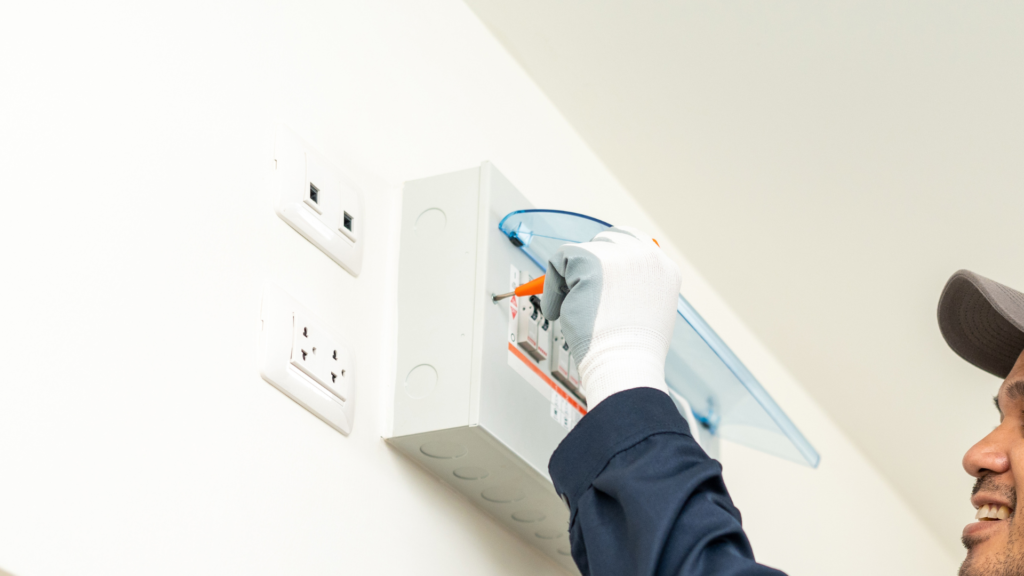
Visual Checks: Routinely inspect wires, outlets, switches, and appliances for signs of damage or wear. Look out for frayed wires, scorch marks, or loose connections.
Professional Inspection: Schedule periodic inspections by a licensed electrician. They can identify hidden issues and ensure your electrical system is up to code.
Proper Use of Outlets and Cords
Using outlets and extension cords correctly can prevent electrical overloads and fires.
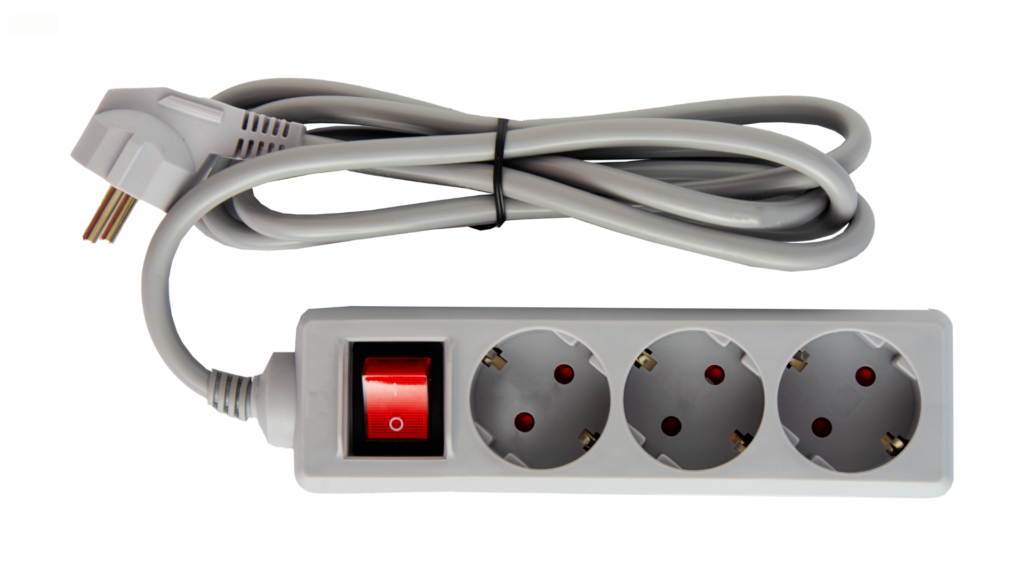
Avoid Overloading: Do not overload outlets by plugging in too many devices at once. Use power strips with built-in surge protection if you need to power multiple devices from one outlet.
Use Correct Cords: Ensure extension cords are rated for the intended use and wattage of the devices you’re connecting. Never run cords under rugs or carpets, as this can cause overheating and create a fire hazard.
Wiring Awareness
Understanding the basics of wiring can help you identify and address potential hazards.
Professional Installation: Hire a licensed electrician for any wiring work or repairs. They have the knowledge and expertise to ensure safe and code-compliant installations.
Replace Damaged Wires: If you notice any damaged or frayed wires, have them replaced immediately. Damaged wires can increase the risk of electrical shocks and fires.
Outdoor Safety
Outdoor electrical safety is just as important as indoor safety.
Use Outdoor-Rated Equipment: Only use electrical devices and extension cords that are specifically rated for outdoor use. They are designed to withstand exposure to moisture and weather elements.
Protect from Water: Keep outdoor outlets and connections dry by using weatherproof covers. Avoid using electrical devices in wet conditions or during rainstorms.
Lightning and Surge Protection
Protect your home from power surges and lightning strikes to prevent damage to electrical devices and appliances.
Install Surge Protectors: Use surge protectors for sensitive electronics like computers, TVs, and home theater systems. They divert excess voltage away from devices, protecting them from damage.
Unplug During Storms: Unplug appliances and electronics during severe thunderstorms to protect them from power surges caused by lightning strikes. This simple precaution can prevent costly damage to your electronics.